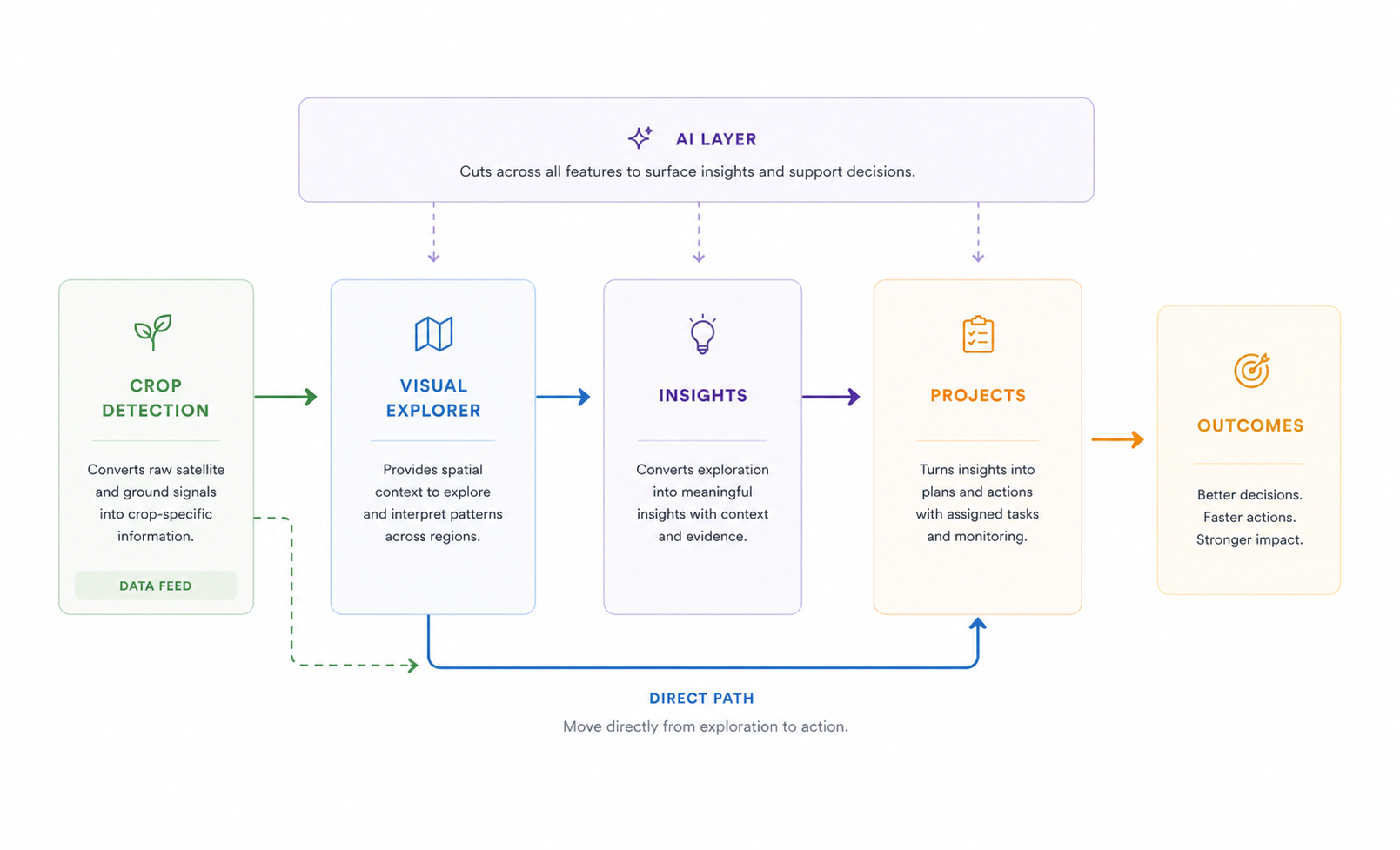
The unexpected discovery was that usability was never the hardest problem. It moved me from designing interfaces to designing systems, where every layer, from data infrastructure to interaction design, serves a single purpose: helping people make better decisions under pressure.
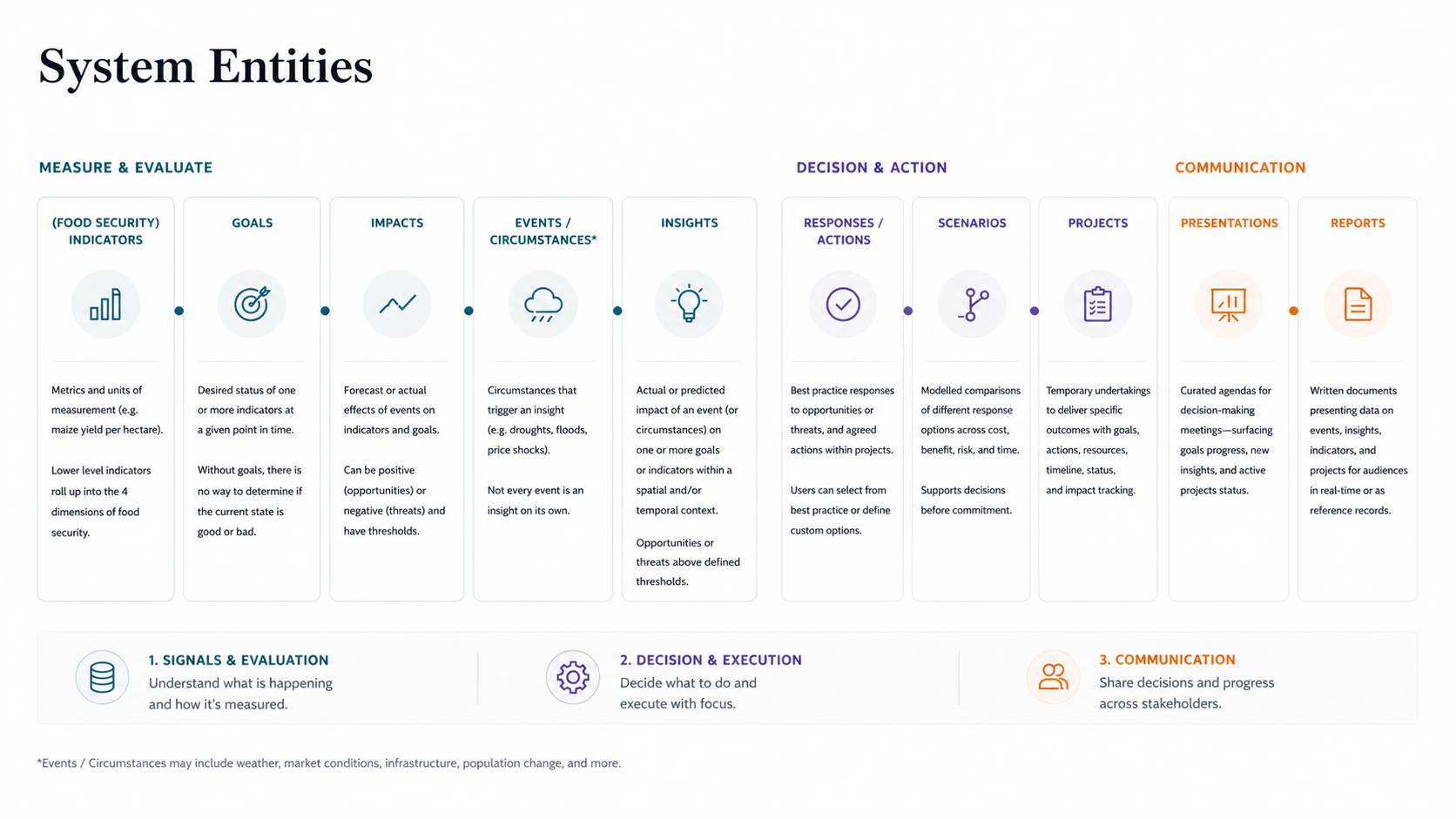
The methodology lesson, as a designer, was to design for workflow not for screens. UI changes when teams change; workflow rarely does, it reflects how decisions actually need to be made. The same six entities, Indicators, Goals, Events, Insights, Responses, Projects, anchored every surface, every persona, every decision. When the product grew into AI, scenario planning, and ground-truth collection, the foundation didn't have to change. New surfaces just plugged into the existing workflow vocabulary.
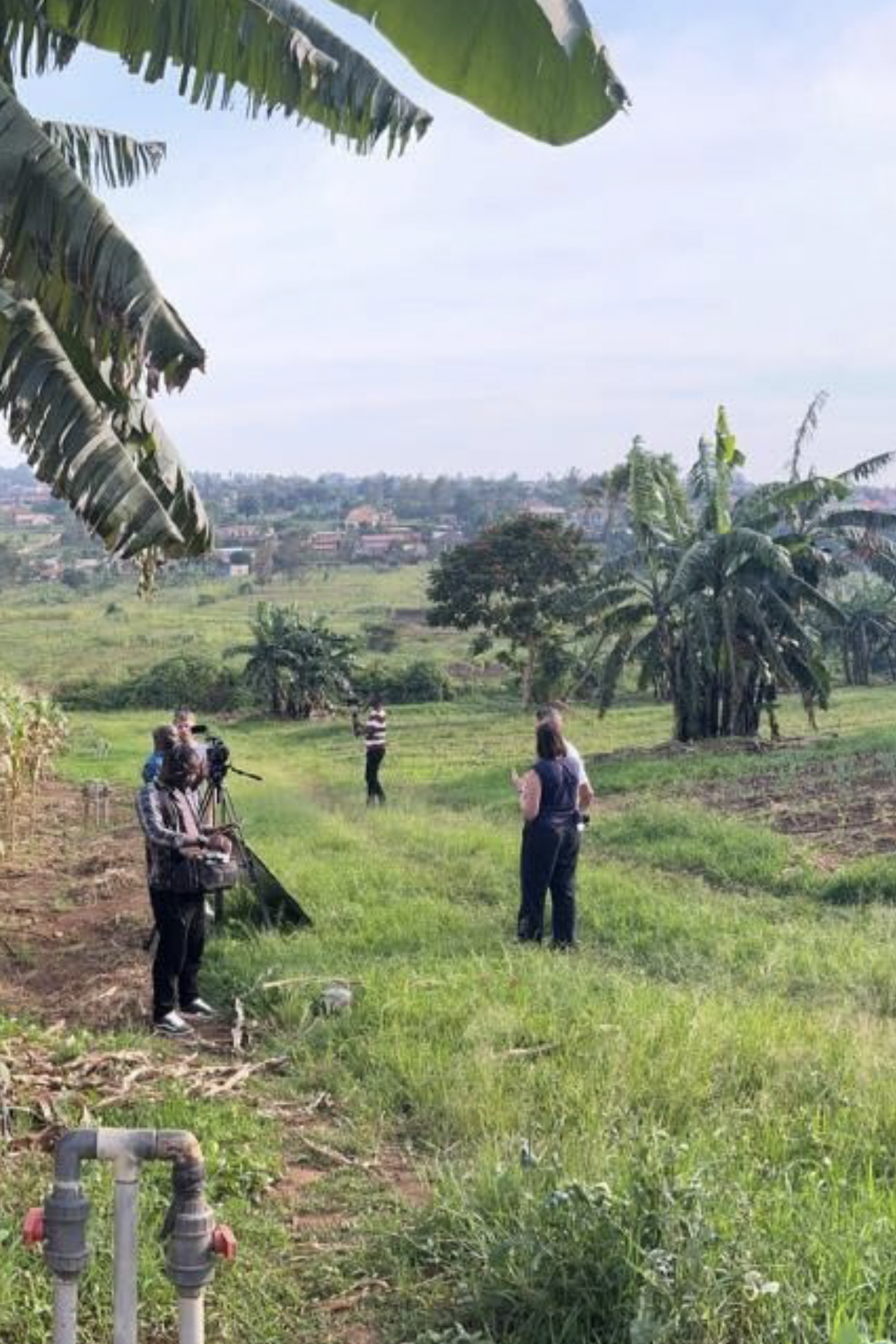
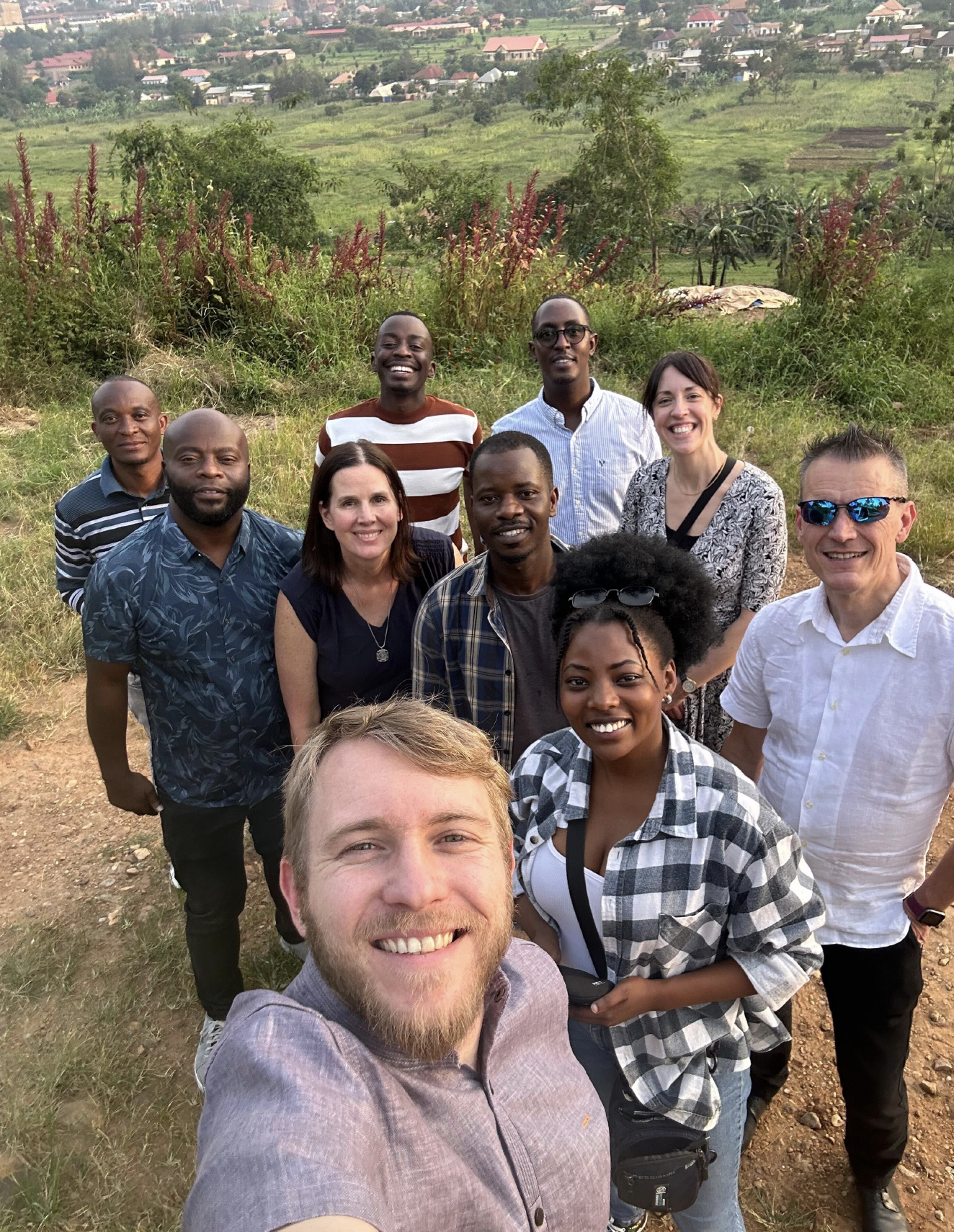
The hardest part was not making the product usable. It was earning trust. Users in Rwanda and the Philippines were not going to act on intelligence they could not interrogate, could not explain to their colleagues, and could not trace back to a source they believed in. That became the lens every design decision was evaluated through, not just clarity, but credibility. Not just usability, but auditability.